
Optimal Timing for Storm Restorations
Storm restorations are most effective when performed during periods of favorable weather conditions, typically in late spring through early fall. Conducting repairs before storm seasons can help ensure structures are prepared for potential severe weather events. Timely restoration minimizes damage and reduces the risk of further deterioration.
Late spring and summer are ideal for storm restorations due to predictable weather patterns and longer daylight hours.
Addressing damages promptly prevents escalation and mitigates future risks during storm seasons.
Restorations should be avoided during heavy rain or high winds to ensure safety and quality of work.
Performing repairs ahead of storm seasons can provide added protection against severe weather.

Ways to make Storm Restorations work in tight or awkward layouts.
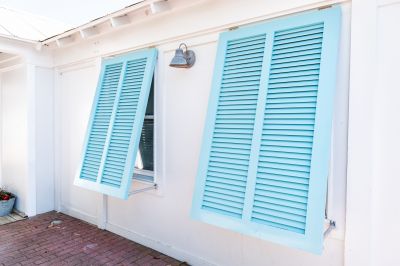
Popular materials for Storm Restorations and why they hold up over time.

Simple add-ons that improve Storm Restorations without blowing the budget.

High-end options that actually feel worth it for Storm Restorations.
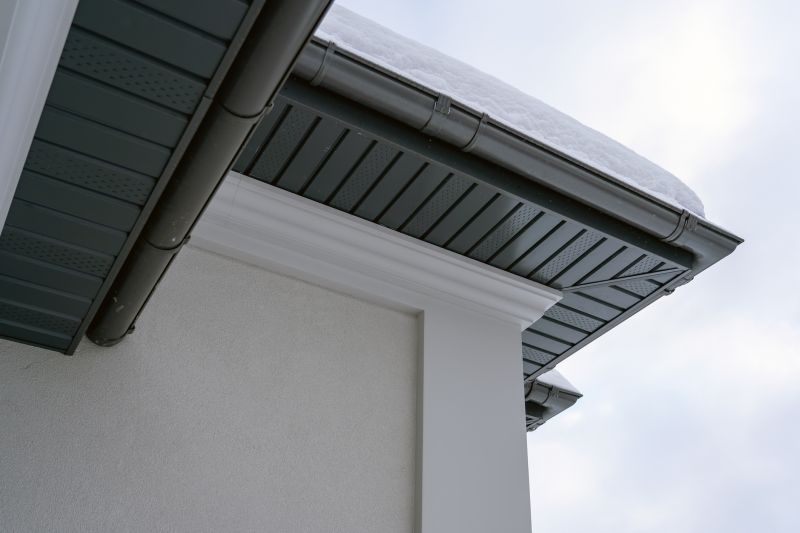
Finishes and colors that play nicely with Storm Restorations.

Little measurements that prevent headaches on Storm Restorations day.
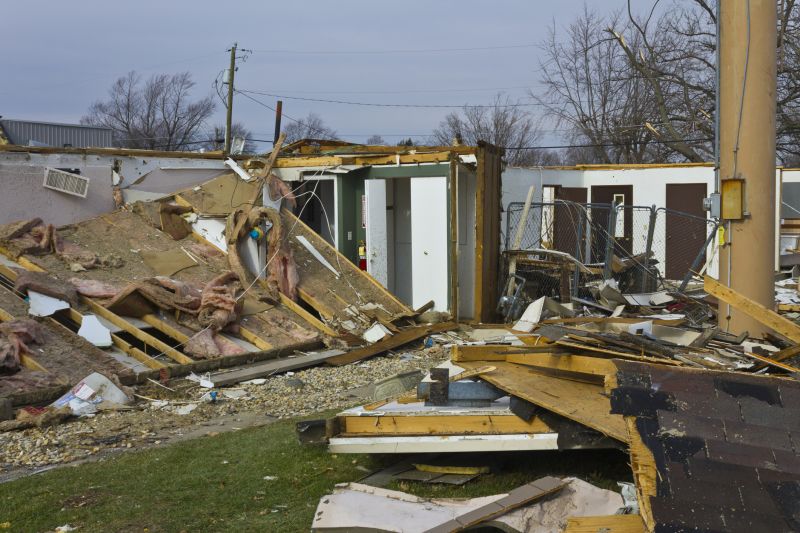
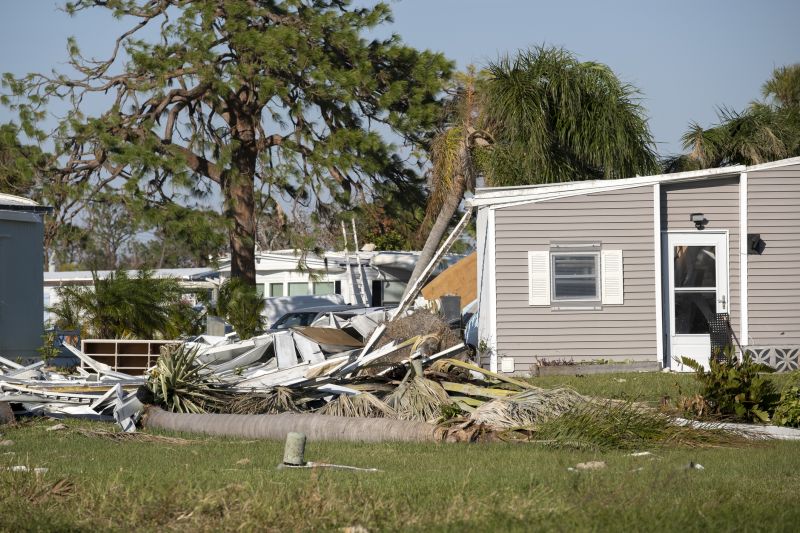
Storm restorations involve repairing and restoring structures damaged by severe weather events such as wind, hail, and heavy rain. Effective restoration not only repairs visible damage but also addresses underlying issues that could compromise structural integrity. Proper timing ensures that repairs are durable and can withstand future storms.
Statistics show that timely storm restorations can significantly reduce repair costs and prevent secondary damages. For example, prompt roof repairs can decrease the likelihood of water intrusion, mold growth, and interior damage. Planning restoration efforts during optimal weather windows enhances safety and effectiveness.
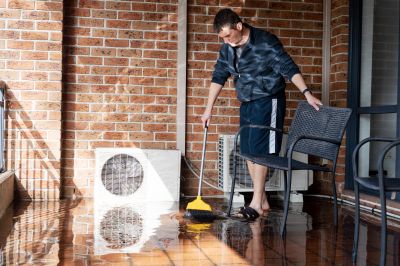
A 60-second routine that keeps Storm Restorations looking new.
A frequent mistake in Storm Restorations and how to dodge it.

Small tweaks to make Storm Restorations safer and easier to use.

Lower-waste or water-saving choices for Storm Restorations.

The short, realistic tool list for quality Storm Restorations.
Rough timing from prep to clean-up for Storm Restorations.
| Season | Best for Storm Restorations |
|---|---|
| Spring | Ideal for preparing structures before storm season begins. |
| Summer | Optimal due to stable weather and longer daylight hours. |
| Fall | Suitable for final repairs before winter storms. |
| Winter | Generally not recommended due to weather constraints. |
| Post-Storm | Critical immediately after storms for damage assessment and repairs. |
Filling out the contact form can provide additional information on scheduling storm restorations. Early planning ensures structures are resilient and ready for upcoming weather challenges.